
When something goes wrong on an FF&E project: six common problems and how we solve them
Every interior project has surprises. What matters is how fast they are spotted and who takes them on. Here is what we do in each case.

The six problems that come up most often on FF&E projects are: a piece that does not fit the room, a shipment that is held up, a budget that has to come down, a site that is not ready, an item that arrives damaged and a design that changes halfway. Most of them can be prevented with site measurements, approved drawings and samples, and a delivery plan with a time buffer. When one happens anyway, the fix is to act at once: adjust on site, find another route or product, re-specify components and finishes, deliver in phases, repair or replace, and re-price changes quickly.
Why problems happen even on good projects
An FF&E schedule can have hundreds of items from several countries, each with its own drawing, finish, factory, truck or container, and delivery slot. The site keeps changing while the furniture is being made. Small differences add up: a wall built 3 cm out, a fabric discontinued, a border closed for a week. Problems are normal. Leaving them to the client is not.
Six problems and what we do
| Problem | How to prevent it | What we do when it happens |
|---|---|---|
| A piece doesn't fit | Measure the site after finishing, approve shop drawings, check the delivery route | Our specialists solve it on site |
| A shipment is held up | Order long-lead items first, keep a time buffer, consolidate shipments | We look for alternative routes and options |
| The budget has to come down | An itemised quotation from the start, with options per item | We find alternative components and finishes that keep the design |
| The site is not ready | Delivery plan agreed with the fit-out programme | We reschedule and deliver in phases |
| A piece arrives damaged | Export packing, insurance, inspection on delivery | We deal with the factory and the carrier and arrange repair or replacement |
| The design changes | Changes agreed in writing before production | We re-price changed items quickly and confirm the new dates |
1. A piece doesn't fit
A wardrobe that is 2 cm too wide for the niche, a sofa that does not turn in the corridor, a rug that hides under the bed. Most size problems come from drawings that differ from the built room, or from the delivery route. Measure after the walls, floors and ceilings are finished, and approve production drawings with real dimensions. If something still does not fit, our specialists solve it on site. Full guide: furniture that doesn't fit: how to measure and fix it.
2. A shipment is held up
Production runs late, a port is congested, a route closes, a document is missing at customs. A shipment can stop for reasons nobody on the project controls. We do not wait: we look for alternative routes and options, from another transport mode to an in-stock alternative for the most urgent pieces, so the project keeps moving. Full guide: furniture shipping delays to the UAE.
3. The budget has to come down
Cutting items is the last resort. Furniture is made of many details: frames, tops, veneers, fabrics, metal finishes, hardware. Changing one component or one finish can save money without changing the design the client approved. This is value engineering, and it works best item by item, on samples. Full guide: furniture value engineering.
4. The site is not ready
Fit-outs slip. Furniture delivered into a dusty site gets damaged, and furniture that waits too long blocks the next stage. We reschedule deliveries and bring them in phases around the fit-out programme: the rooms that open first get their furniture first.
5. A piece arrives damaged
Long routes and many handlings mean damage can happen. Check every delivery on arrival and record any damage with photos before signing. We deal with the factory and the carrier and arrange repair or replacement, so the client does not have to chase anyone.
6. The design changes halfway
A client changes a fabric, a room changes use, a new idea appears after the first samples. Changes are normal, but each one has a price and a date. We re-price the changed items quickly and tell you what the change means for the delivery dates, so the decision is made with the facts on the table.
The principle behind all six
- Spot it early. Details are checked at every stage: drawings, samples, production, packing, delivery.
- Take it on. When something goes wrong, we are the first to step in and solve it. Our wide network lets us work in demanding conditions: we have delivered samples from one country to another within a day. We are not all-powerful, but we do everything we can.
- Stay to the end. We don't leave our clients halfway. We stay with the project until the last piece is installed.
We don't leave our clients halfway
DOMA's team are interior designers with about 20 years in the interiors business. We know the pain and the requirements of a project from both sides, and we support it from the first quotation to installation on site.
Frequently asked questions
What are the most common problems on FF&E projects?
Furniture that does not fit the room or the delivery route, shipments held up in production or transit, budgets that have to come down, sites that are not ready, items damaged in transit and design changes after production has started.
What should I do if furniture doesn't fit?
Check it against the approved drawing and the site measurements. Many issues can be fixed on site; DOMA's specialists solve size problems on site.
What happens if a furniture shipment is delayed?
DOMA looks for alternative routes and options, including another transport mode or an in-stock alternative for urgent pieces, so the project keeps moving.
How can I reduce the FF&E budget without changing the design?
Re-specify components and finishes item by item: frames, tops, veneers, fabrics, metal finishes and hardware. This is called value engineering.
What if the site is not ready for delivery?
Deliveries are rescheduled and brought in phases around the fit-out programme, so the rooms that open first are furnished first.
Who handles damaged deliveries?
DOMA deals with the factory and the carrier and arranges repair or replacement for its clients.
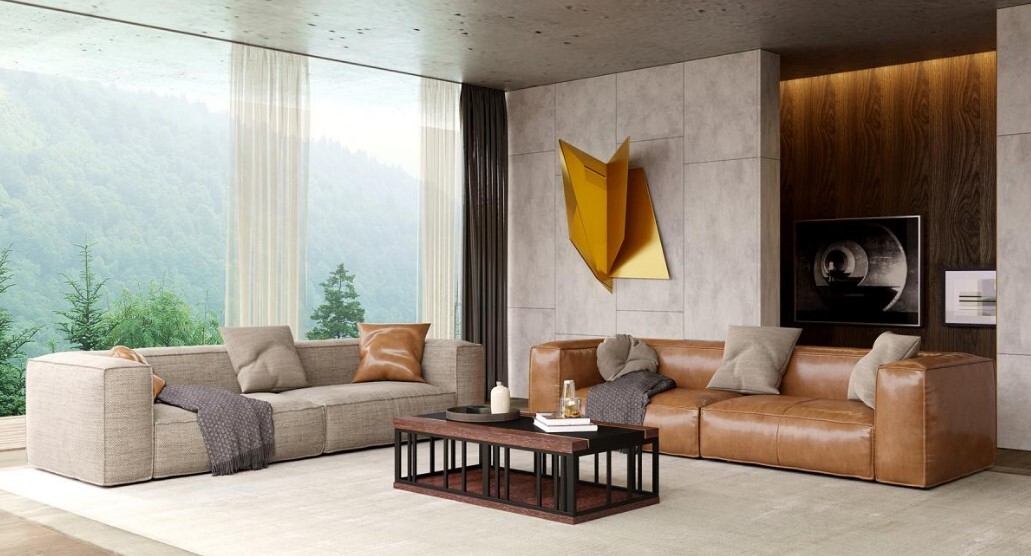
Furniture value engineering: how to reduce the budget without losing the design
A piece of furniture is made of many details. Changing the right ones saves money, and the client still sees the design they approved.
4 min read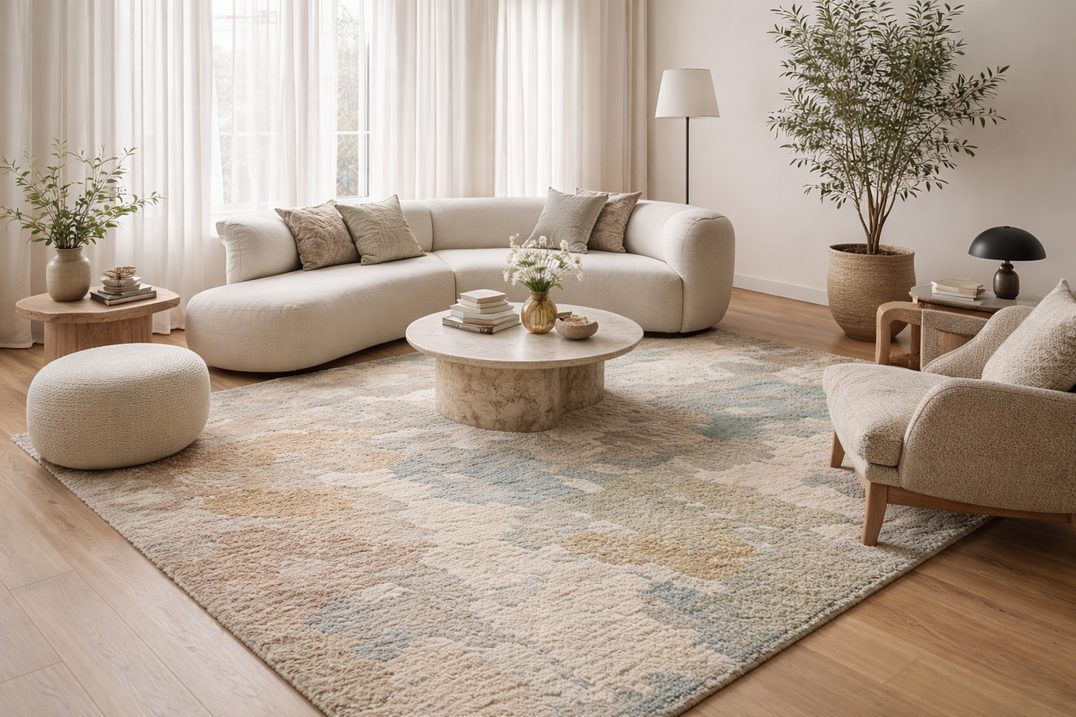
Furniture that doesn't fit: how to measure, check the delivery route and fix it on site
A few centimetres can stop a wardrobe, a sofa or a reception desk. Where size problems come from, how to avoid them and what to do on site.
4 min read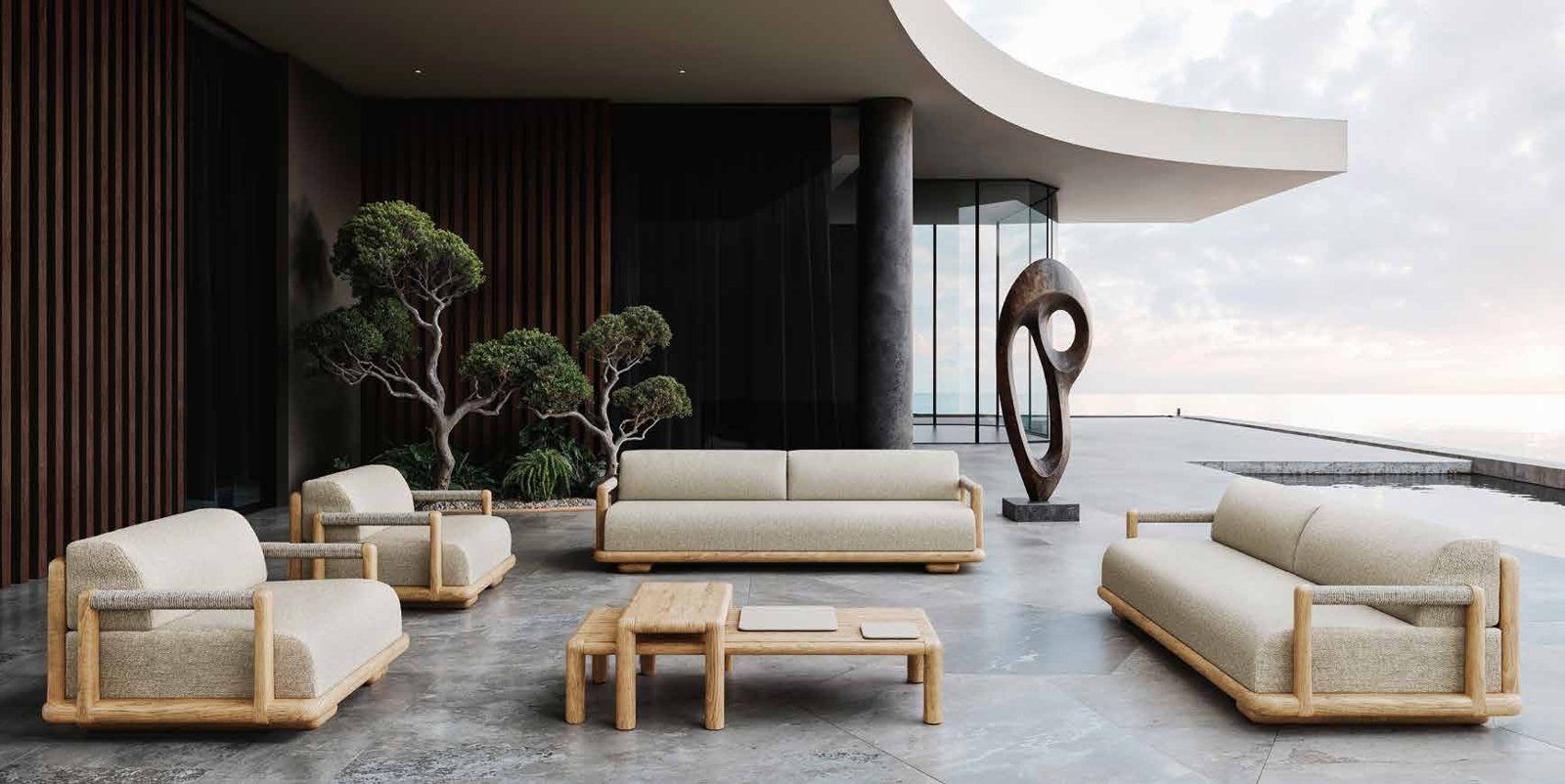
Furniture shipping delays to the UAE: how to plan for them and what to do when they happen
Production, transport and customs can all slip. How to build a timeline that survives a delay, and the options when a shipment is held up.
4 min readWorried about your project?
Tell us the stage, the date and what worries you. We come back with a plan.
+971 58 535 2102
mz@doma.ae · main@doma.ae
The H Office Tower, office 2903-2
1 Sheikh Zayed Road, Dubai
Showroom visits by appointment
